
Root Canal Treatment Explained: A Simple Guide to Saving Your Tooth
A Stress-Free Process For Patients On The Sunshine Coast
Root canal treatment is often misunderstood, yet it is one of the most effective ways to save a damaged or infected tooth. If your dentist has suggested a root canal or you are experiencing symptoms such as a toothache or sensitivity, this guide will help you understand what the treatment involves, why it is needed and what you can expect at Your Family Dental.

What is Root Canal Treatment?
Root canal emergency treatment removes infected or inflamed tissue from inside the tooth. Beneath the hard outer layers is the dental pulp, which contains nerves and blood vessels. When the pulp becomes infected due to decay, cracks, repeated dental work or injury, it can cause pain and eventually lead to tooth loss if left untreated.
A root canal clears the infection, shapes the inside of the tooth and seals it to stop bacteria from returning. With modern equipment and gentle techniques, the procedure is far more comfortable than most people expect.
Signs you may need a root canal
Some people experience obvious discomfort, while others notice only mild symptoms. Common signs include:
- Toothache that does not go away
- Sensitivity to hot or cold
- Swelling in the gums
- Darkening or discolouration of the tooth
- Pain when chewing or biting
- A small pimple-like bump on the gum
If you have any of these symptoms, our dentists can assess your tooth and discuss whether a root canal is the best treatment. You can book online through our Contact us page.
Why root canal treatment is important
Once the pulp is infected, it cannot heal on its own. Without treatment, bacteria can spread deeper into the tooth and surrounding tissues, leading to
- Severe pain
- Gum or facial swelling
- Abscesses
- Bone loss
- Tooth loss
A root canal allows us to save the natural tooth and restore full function. Keeping your natural teeth helps maintain your bite, prevents neighbouring teeth from shifting and avoids more complicated dental work later.
What to expect during the procedure
At Your Family Dental, your comfort is our priority. A typical root canal includes these steps.
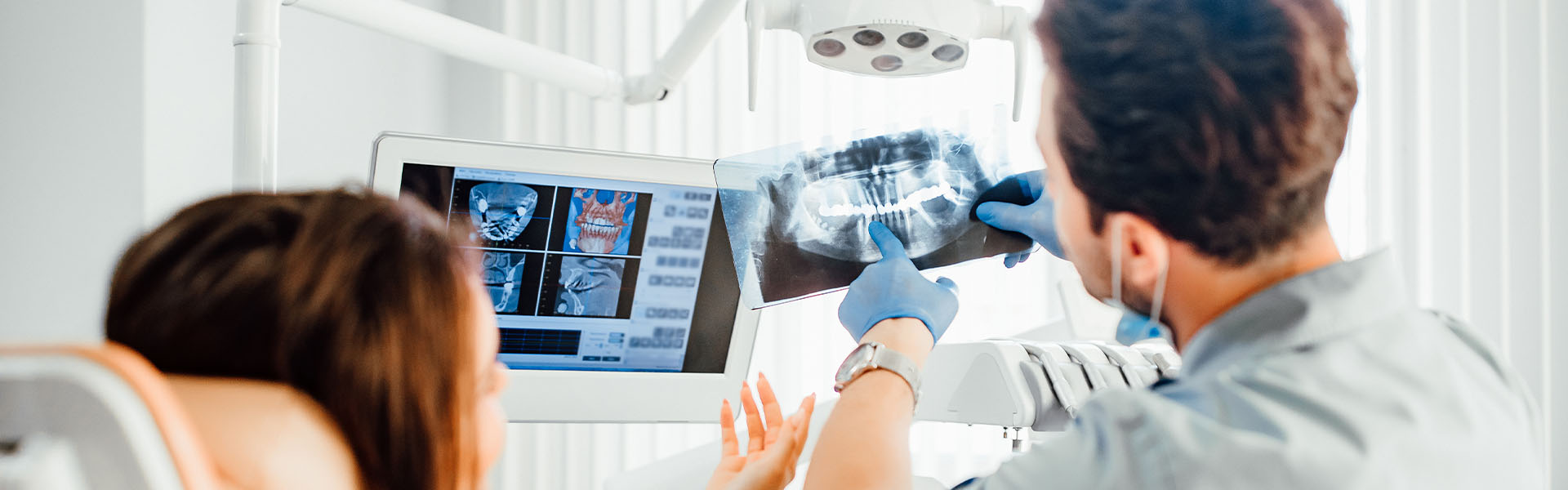
- Assessment and X-ray
We begin with a complete exam and digital X-ray to understand the extent of the infection. - Local anaesthetic
Your tooth and the surrounding area are numbed to keep you comfortable throughout the procedure. - Removing the infected pulp
A small opening is made to reach the roots. The infected tissue is removed, and the canals are cleaned and shaped. - Sealing the canal
Once cleaned, the canal is filled and sealed to prevent bacteria from entering. - Restoring the tooth
Many teeth need a crown after treatment to protect the structure and restore strength. You can read more about this on our Crowns and Bridges page.
Most patients experience immediate relief once the infection is removed.
Aftercare and recovery
Mild tenderness for a day or two is normal after a root canal. Over-the-counter pain relief is usually enough to manage this. Our team will give you personalised aftercare advice, which may include:
- Avoid chewing on the treated side for the first day
- Continue brushing and flossing as normal
- Attend your follow-up appointment to ensure proper healing
If you experience severe pain or swelling, contact us right away.
Little Mountain (07) 5437 2147
Beerwah (07) 5494 0964
What to expect?
Our dentists will walk you through all available options so you can make an informed decision. If extraction is the right choice, we offer gentle Tooth Extraction services and guidance on replacement options.
Preventive dental appointments are available at both Sunshine Coast clinics. You can explore these services on our General Dentistry page.
When to book an appointment
If you have tooth pain or sensitivity, do not wait for symptoms to worsen. Early treatment leads to better outcomes and may prevent the need for a root canal altogether.
You can book an appointment at both of our Sunshine Coast clinics by calling us or booking online.
Little Mountain (07) 5437 2147
Beerwah (07) 5494 0964